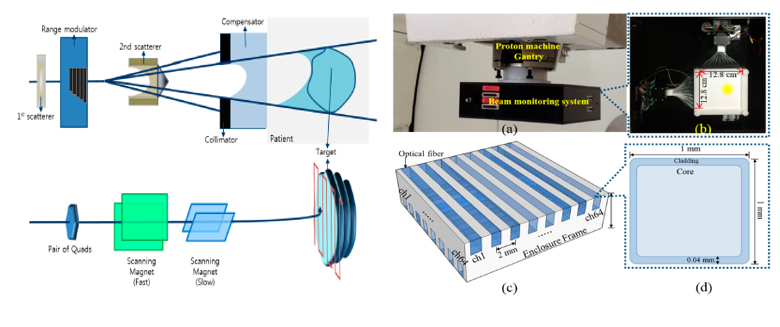
 Development of Optical Fiber Based Measurement System for the Verification of Entrance Dose Map in Pencil Beam Scanning Proton Beam
This study describes the development of a beam monitoring system for the verification of entrance dose map in pencil beam scanning (PBS) pro…
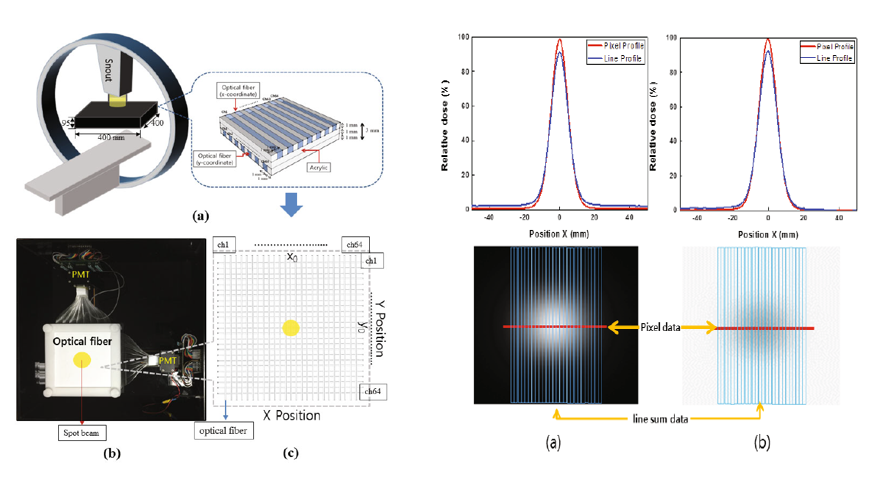 Development of Beam Monitoring System for Proton Pencil Beam Scanning Using Fiber-Optic Radiation Sensor
We aimed to develop a beam monitoring system based on a fiber-optic radiation sensor (FORS), which can be used in real time in a beam contro…
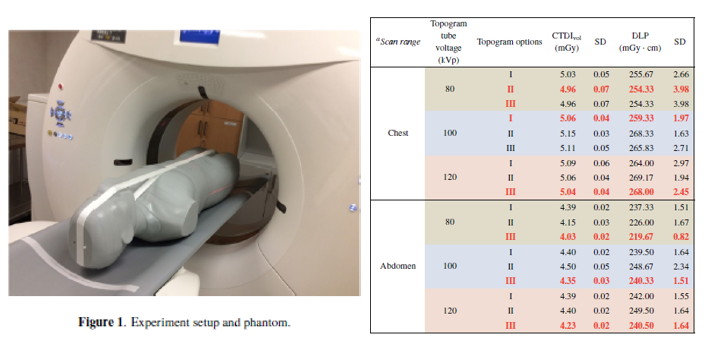 Effect of topogram-tube angle combination on CT radiation dose reduction
This study assessed the ability of various types of topograms, when used with an automatic tube current modulation (ATCM) technique, to redu…
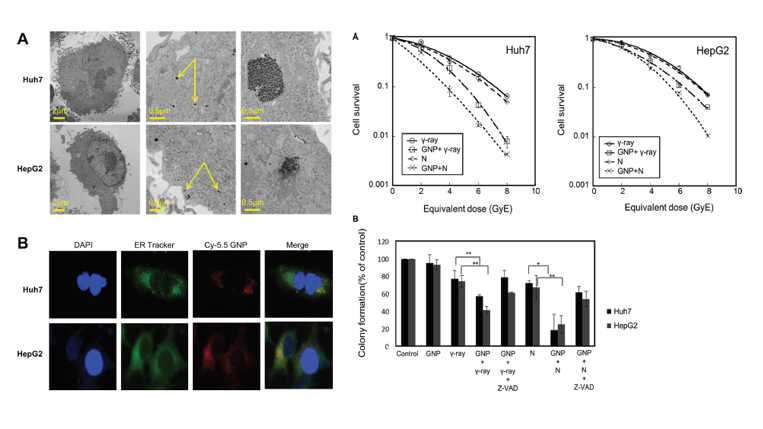 Gold nanoparticles as a potent radiosensitizer in neutron therapy
The purpose of this study was to investigate the potential of gold nanoparticles as radiosensitizer for use in neutron therapy against hepat…
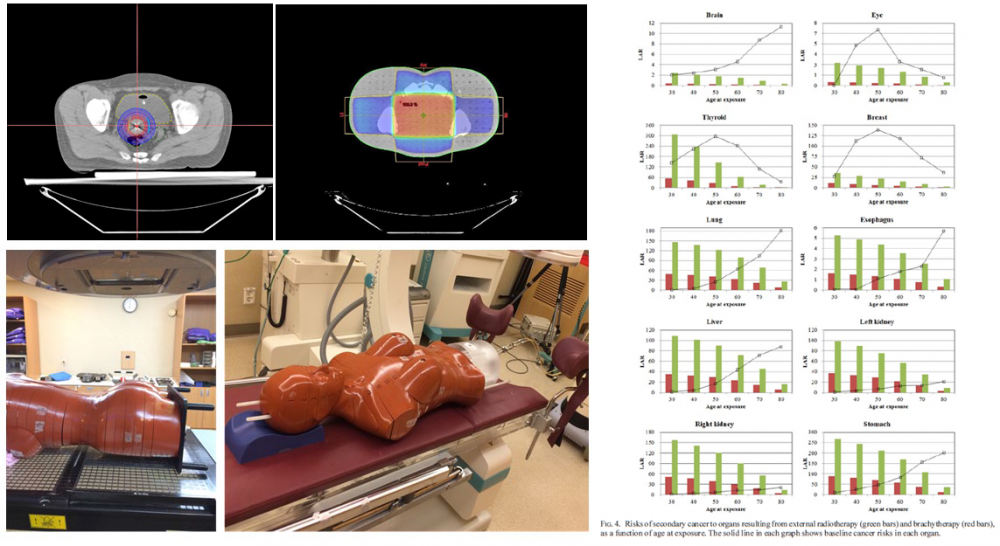 Secondary cancer-incidence risk estimates for external radiotherapy and high-dose-rate brachytherapy in cervical cancer: phantom study
This study was designed to estimate radiation-induced secondary cancer risks from high-dose-rate (HDR) brachytherapy and external radiothera…
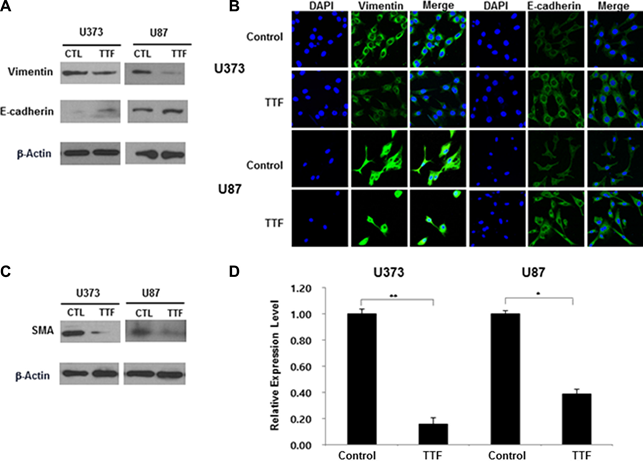 Tumor treating fields inhibit glioblastoma cell migration, invasion and angiogenesis
Treatment with alternating electric fields at an intermediate frequency (100?300 kHz), referred to as tumor treating fields (TTF) therapy, i…
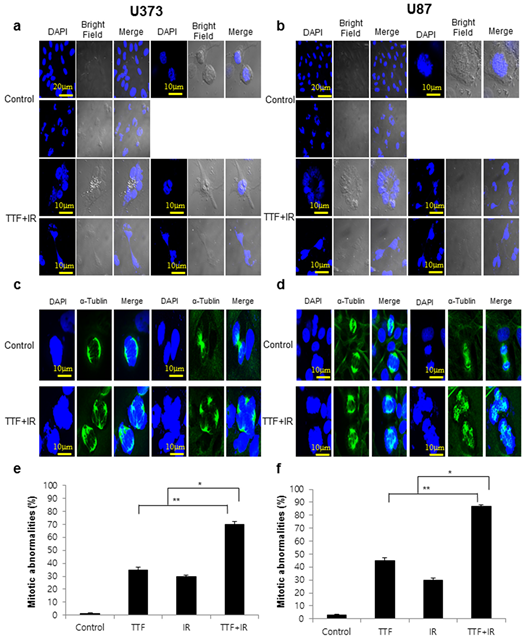 Biological effect of an alternating electric field on cell proliferation and synergistic antimitotic effect in combination with ionizing radiation
Alternating electric fields at an intermediate frequency (100~300 kHz), referred to as tumour-treating fields (TTF), are believed to interru…
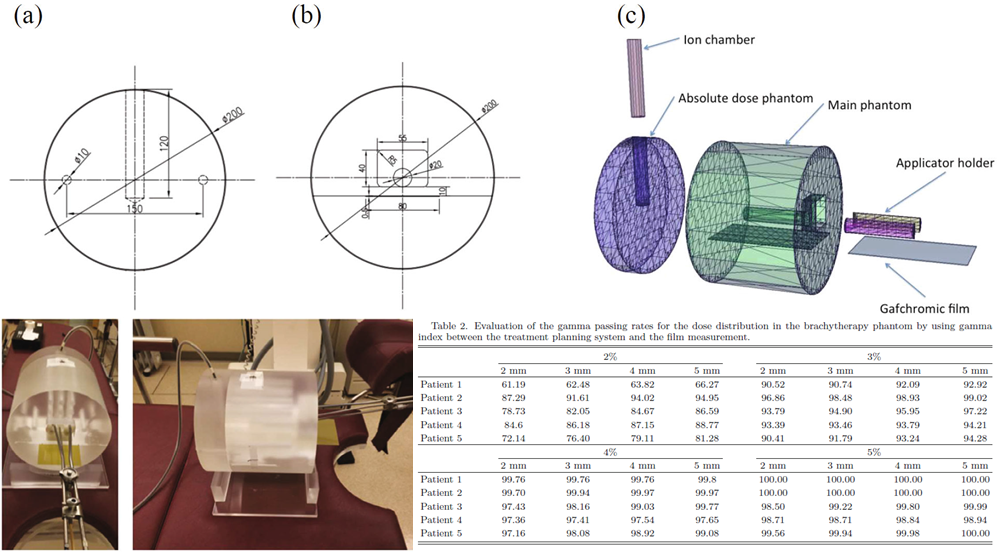 Feasibility Study of Patient-specific Quality Assurance System for High-dose-rate Brachytherapy in Patients with Cervical Cancer
This study was conducted for the purpose of establishing a quality-assurance (QA) system for brachytherapy that can ensure patient-specific …
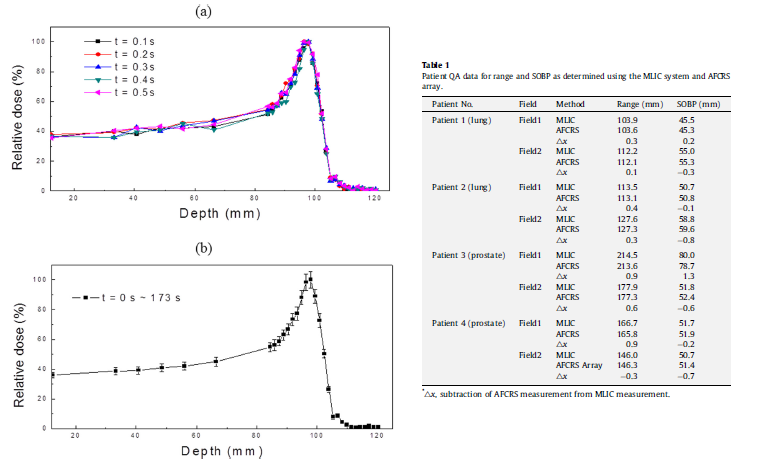 Development of a novel proton dosimetry system using an array of fiber-optic Cerenkov radiation sensors
This study describes the development and evaluation of a new dosimetric system for proton therapy using an array of fiber-optic Cerenkov rad…
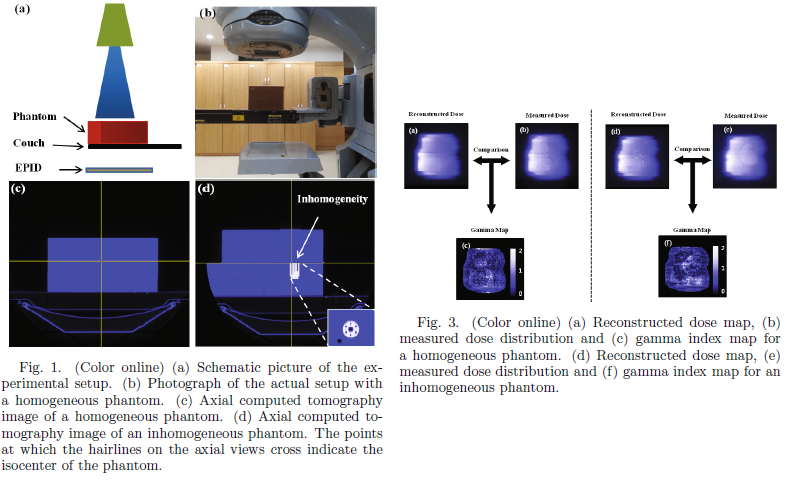 Feasibility Study of a Simple Approximation Algorithm for In-vivo Dose Reconstruction by Using the Transit Dose Measured Using an EPID
The purpose of this study is to verify the accuracy of the dose delivered to the patient during intensity-modulated radiation therapy (IMRT)…
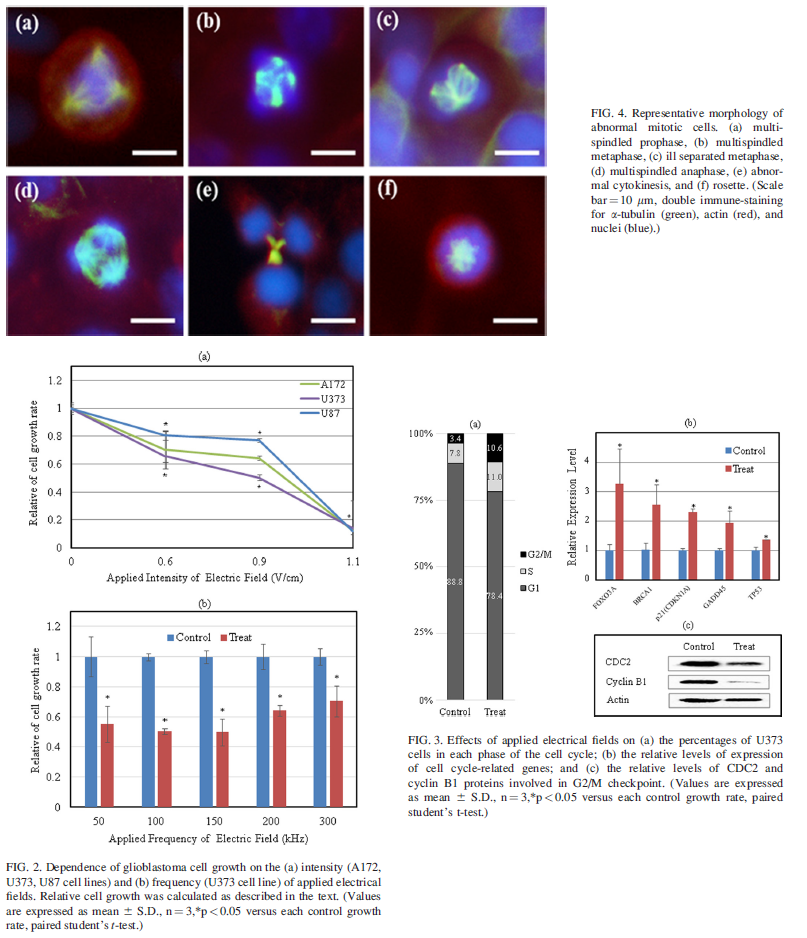 Inhibition of brain tumor cell proliferation by alternating electric fields
This study was designed to investigate the mechanism by which electric fields affect cell function, and to determine the optimal conditions …
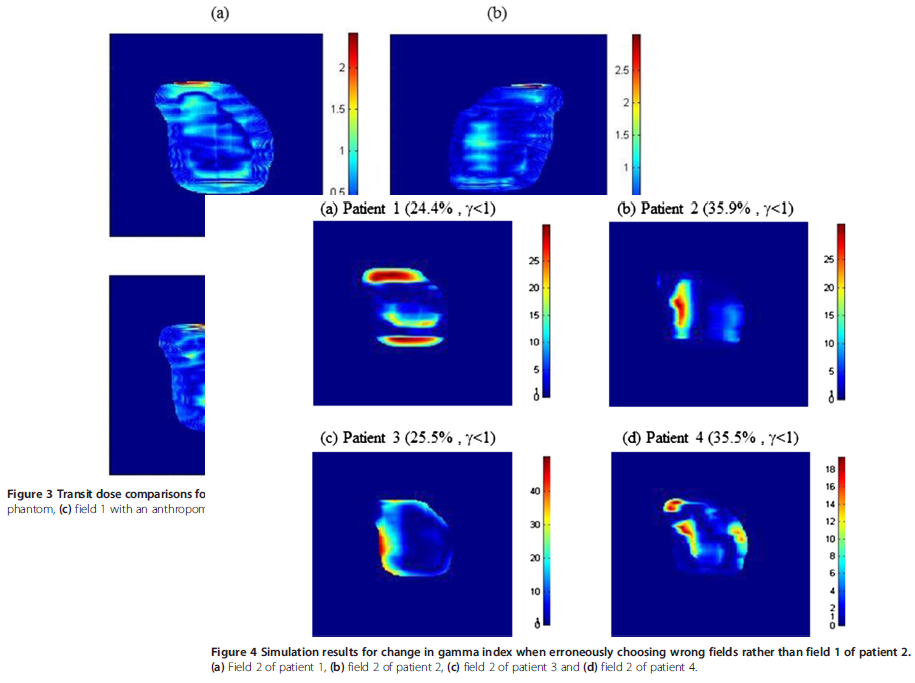 Feasibility study on the verification of actual beam delivery in a treatment room using EPID transit dosimetry
Purpose: The aim of this study is to evaluate the ability of transit dosimetry using commercial treatment planning system (TPS) and an elect…
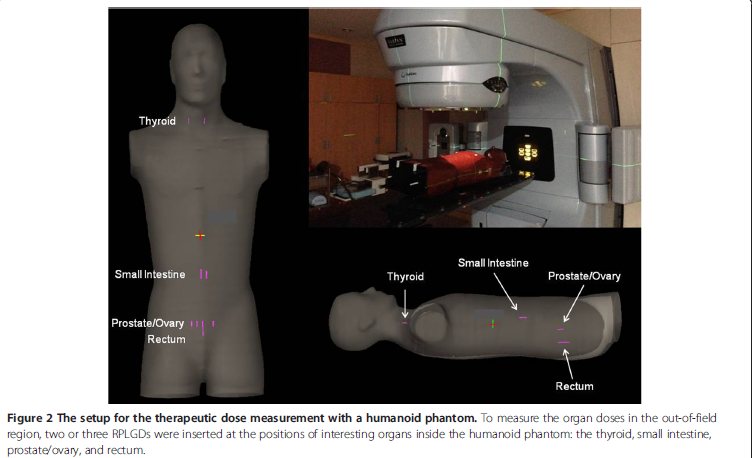 Risk of secondary cancers from scattered radiation during intensity-modulated radiotherapies for hepatocellular carcinoma
Purpose: To evaluate and compare the risks of secondary cancers from therapeutic doses received by patients with hepatocellular carcinoma (H…
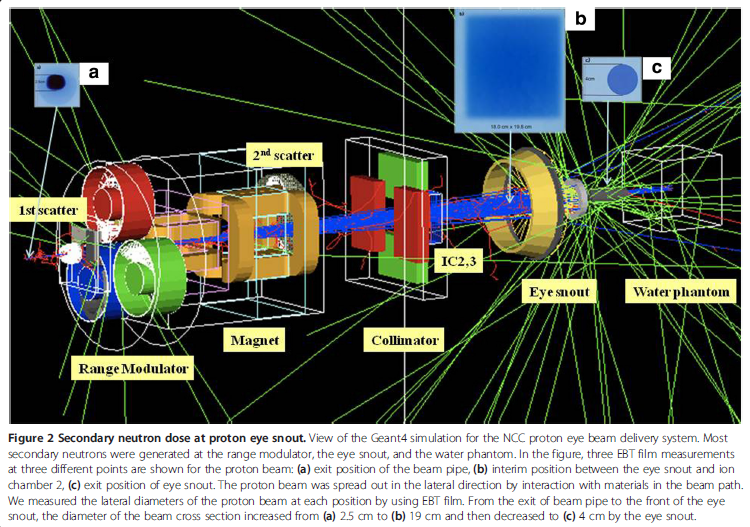 Secondary neutron dose measurement for proton eye treatment using an eye snout with a borated neutron absorber
Background: We measured and assessed ways to reduce the secondary neutron dose from a system for proton eye treatment. Methods: Proton beams…
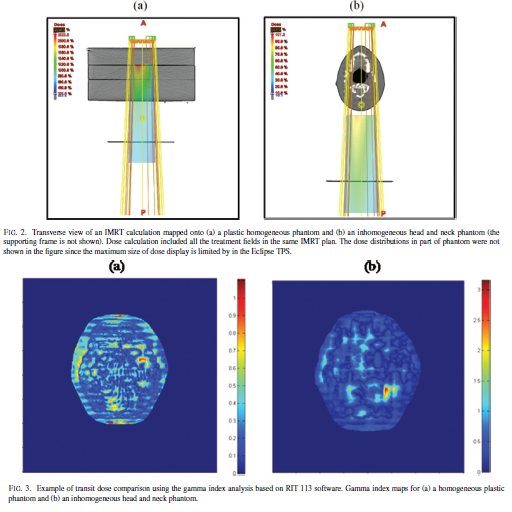 Radiochromic film based transit dosimetry for verification of dose delivery with intensity modulated radiotherapy
Purpose: To evaluate the transit dose based patient specific quality assurance (QA) of intensity modulated radiation therapy (IMRT) for veri…