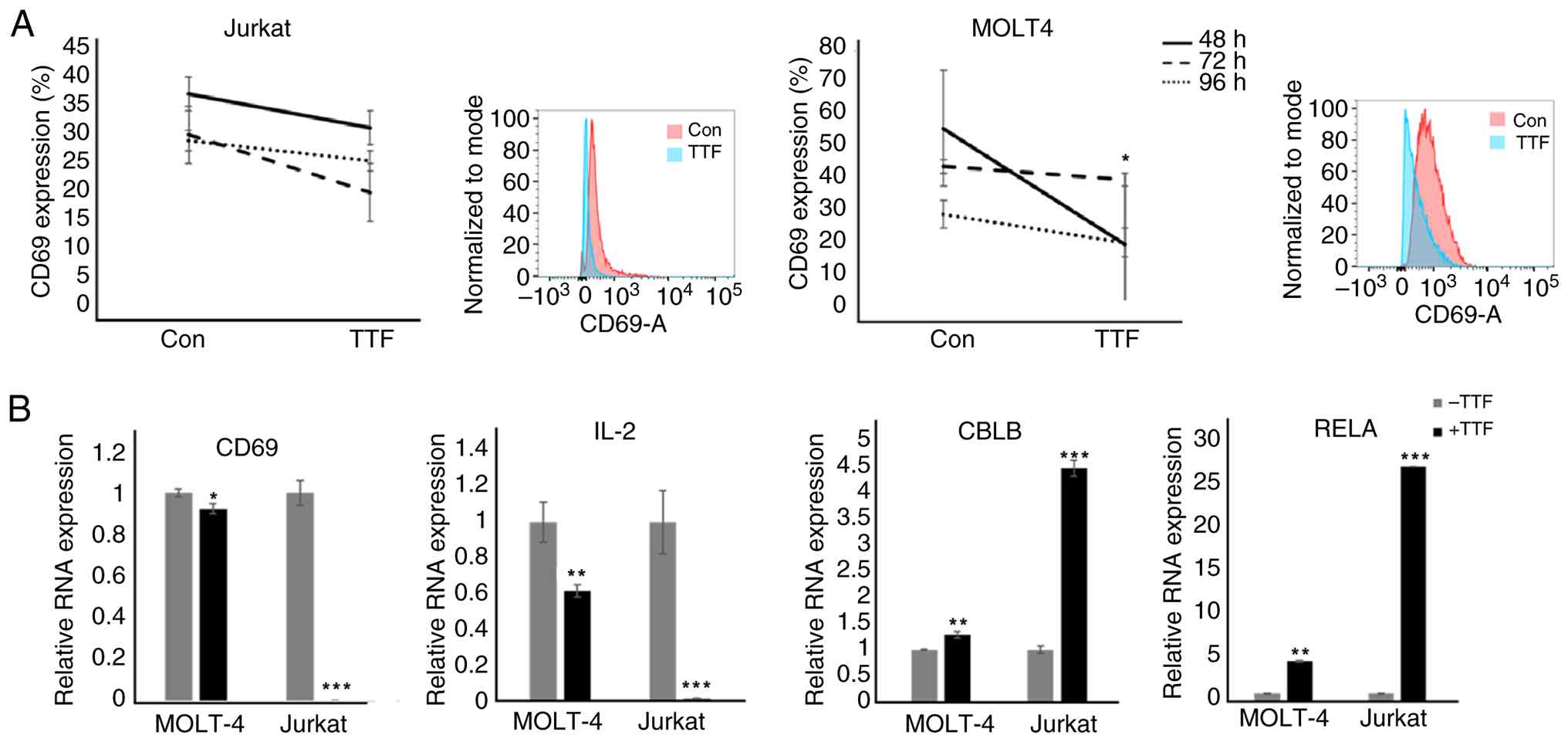
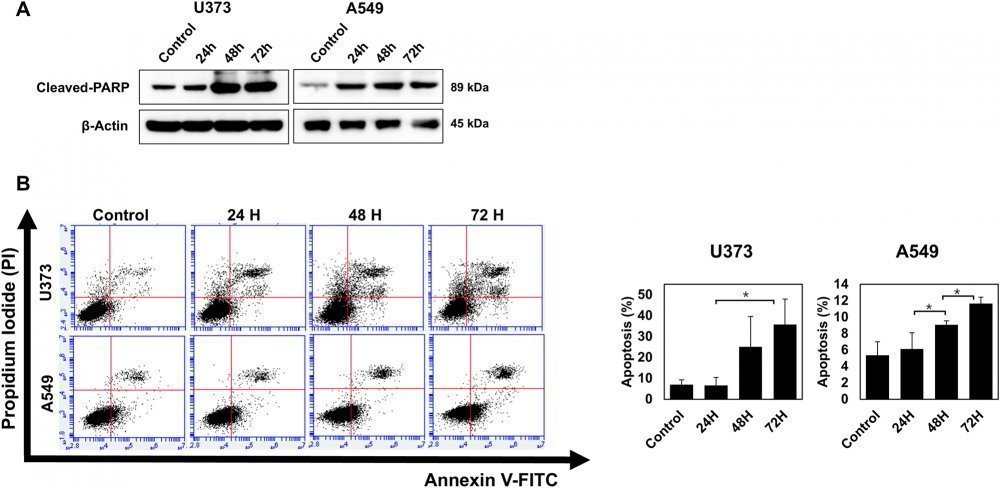
Background T-cell acute lymphoblastic leukemia (T-ALL) is an aggressive hematologic malignancy with limited treatment options for relapsed or refractory disease. Tumor Treating …
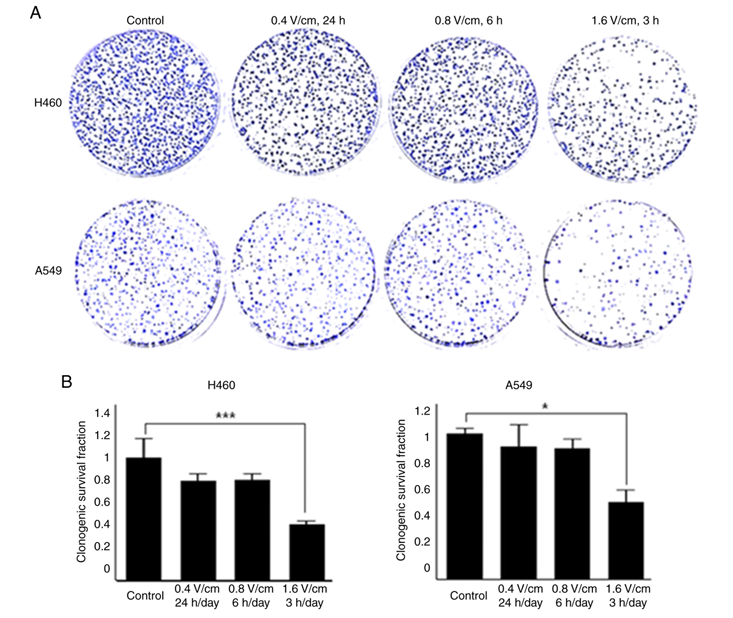
Background Non-small cell lung cancer (NSCLC) accounts for the majority of lung cancer cases, with a significant proportion of patients presenting with distant metastases at diagn…
Background Alzheimer’s disease (AD) is a progressive neurodegenerative disorder marked by brain atrophy, observable via MRI. Volumetric measures like hippocampal volume are wid…
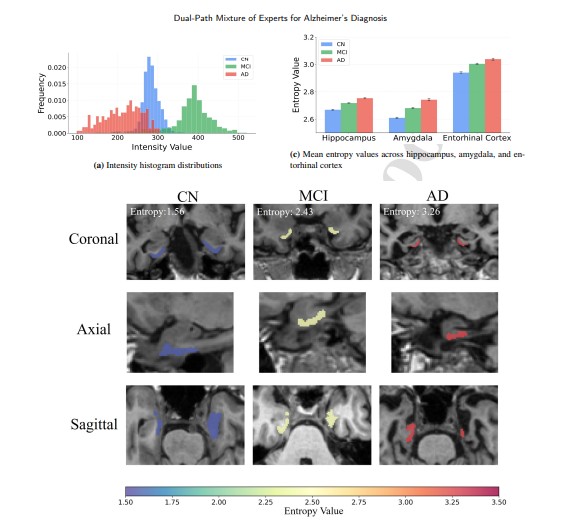
Abstract Volumetric analysis of brain structures is widely used to detect pathological changes in Alzheimer’s disease (AD), but it has limited sensitivity to subtle tissue alterat…
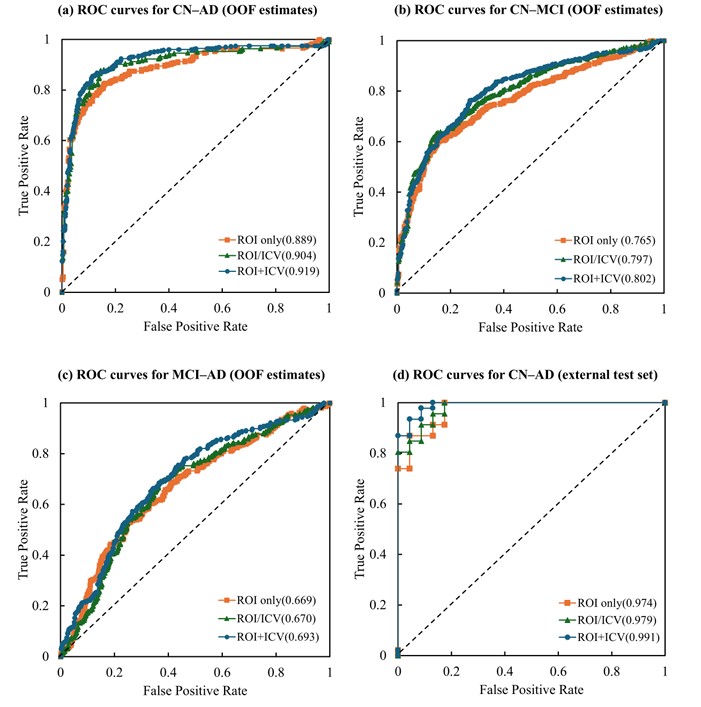
Objective Structural MRI-based regional volumes are widely used for Alzheimer’s disease (AD) classification, but inter individual variability in intracranial volume (ICV) i…
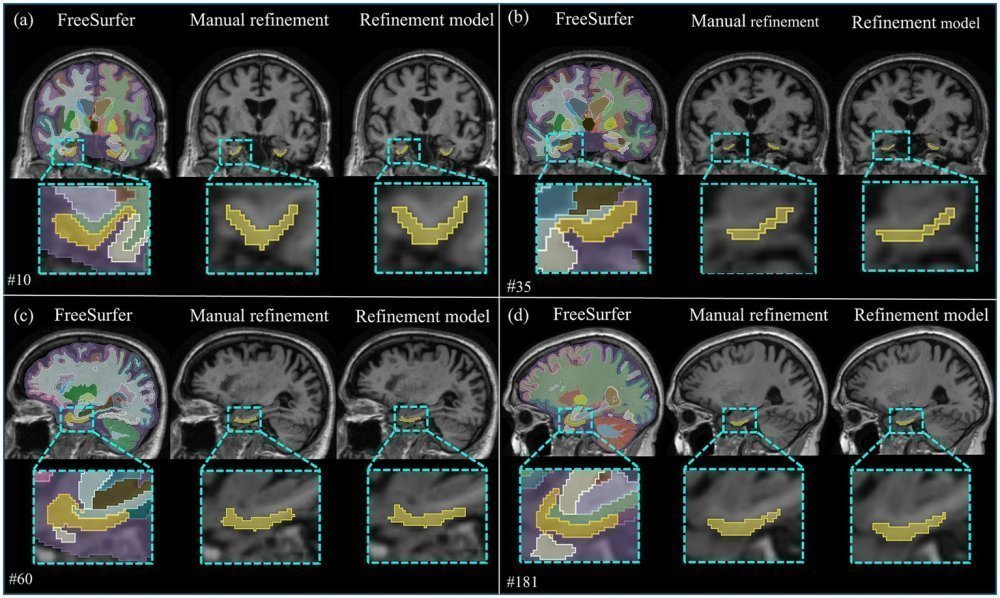
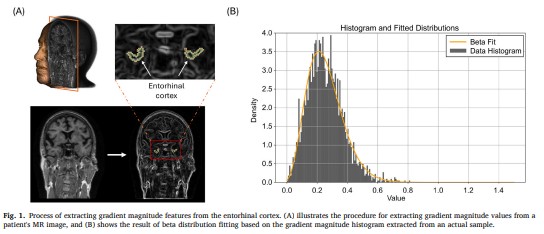
Introduction: The entorhinal cortex (EC) is one of the earliest cortical regions affected in Alzheimer’s disease (AD) and serves as a key target for magnetic resonance imagi…
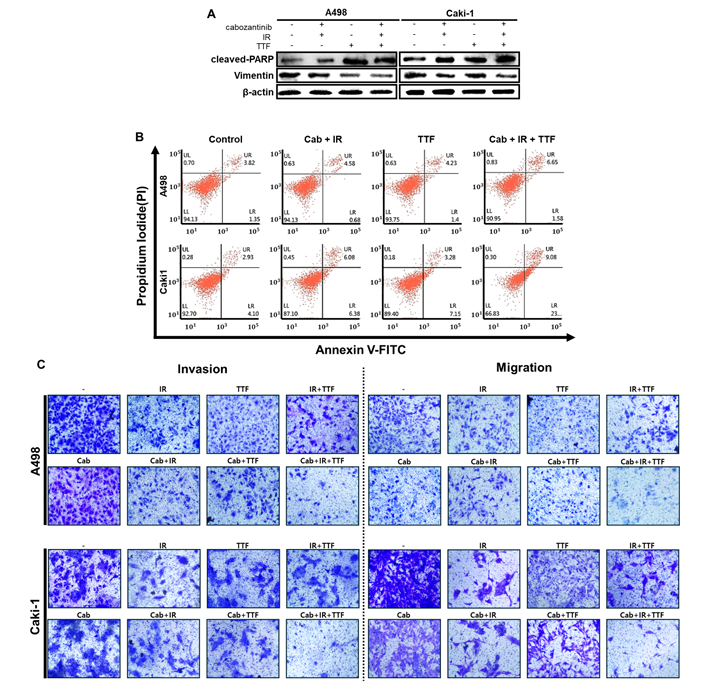
Purpose This study aimed to evaluate the therapeutic potential of combining cabozantinib, electric fields (EFs; also called Tumor Treating Fields [TTFields]), and radiation in the…
Objectives Hyperthermia enhances tumor sensitivity to treatments like radiotherapy and chemotherapy, but high temperatures (42–45 °C) can damage normal tissues, especially heat-se…
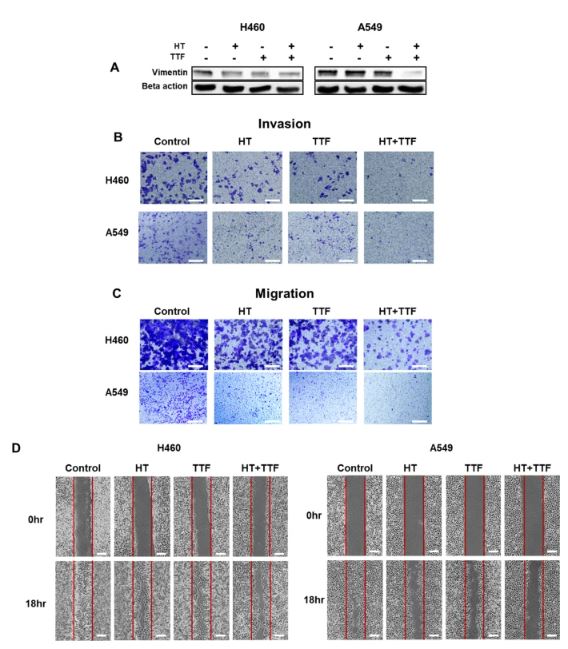
Purpose Lung cancer remains a leading cause of cancer-related mortality, with non-small cell lung cancer (NSCLC) being particularly challenging due to poor survival rates, empha…
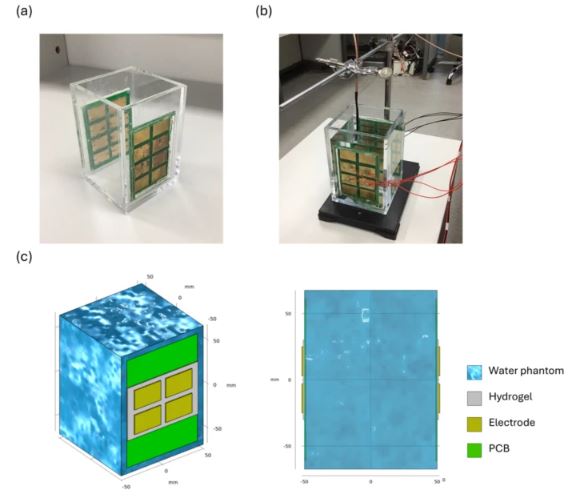
In this study, we investigated the feasibility of a three-dimensional quality assurance system for Tumor-Treating Fields (TTFields) therapy by applying voltage to a water phantom u…
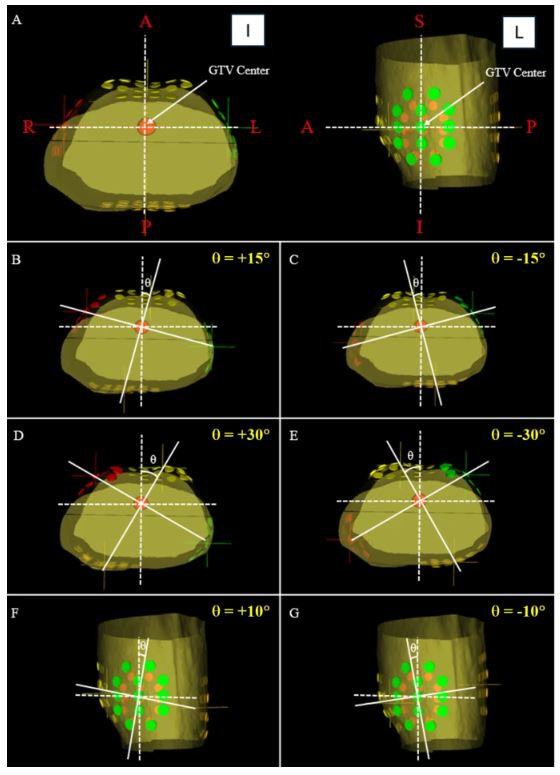
Background In electric field-based cancer treatment, the intensity of the electric field applied to the tumor depends on the position of the electrode array, directly affecting …
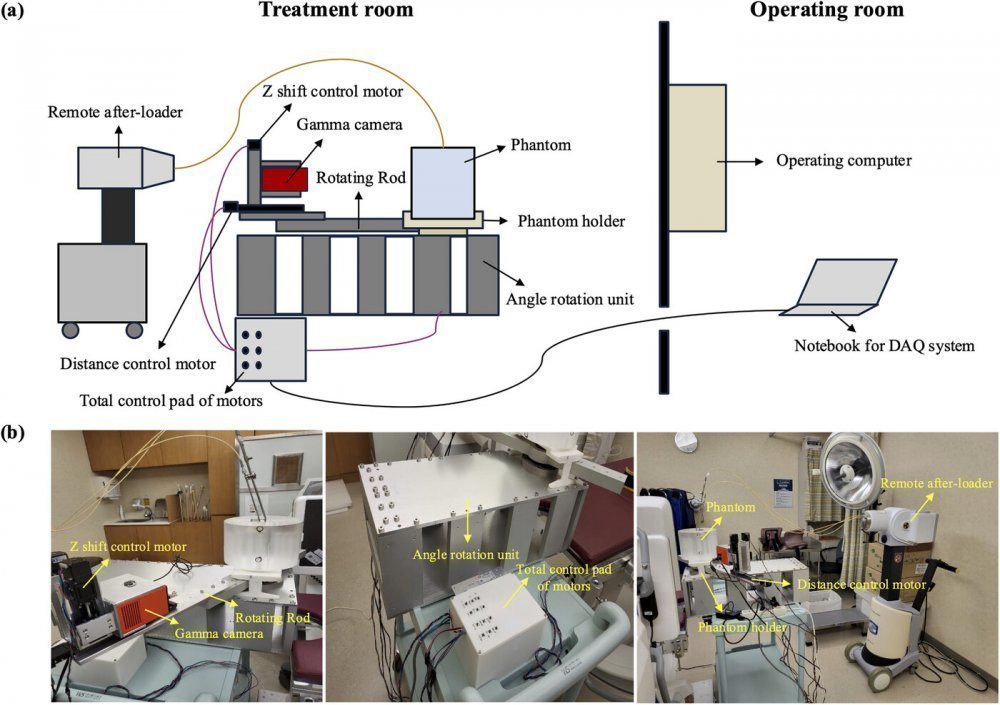
Background High-dose-rate (HDR) brachytherapy using Iridium-192 as a radiation source is widely employed in cancer treatment to deliver concentrated radiation doses while minimi…
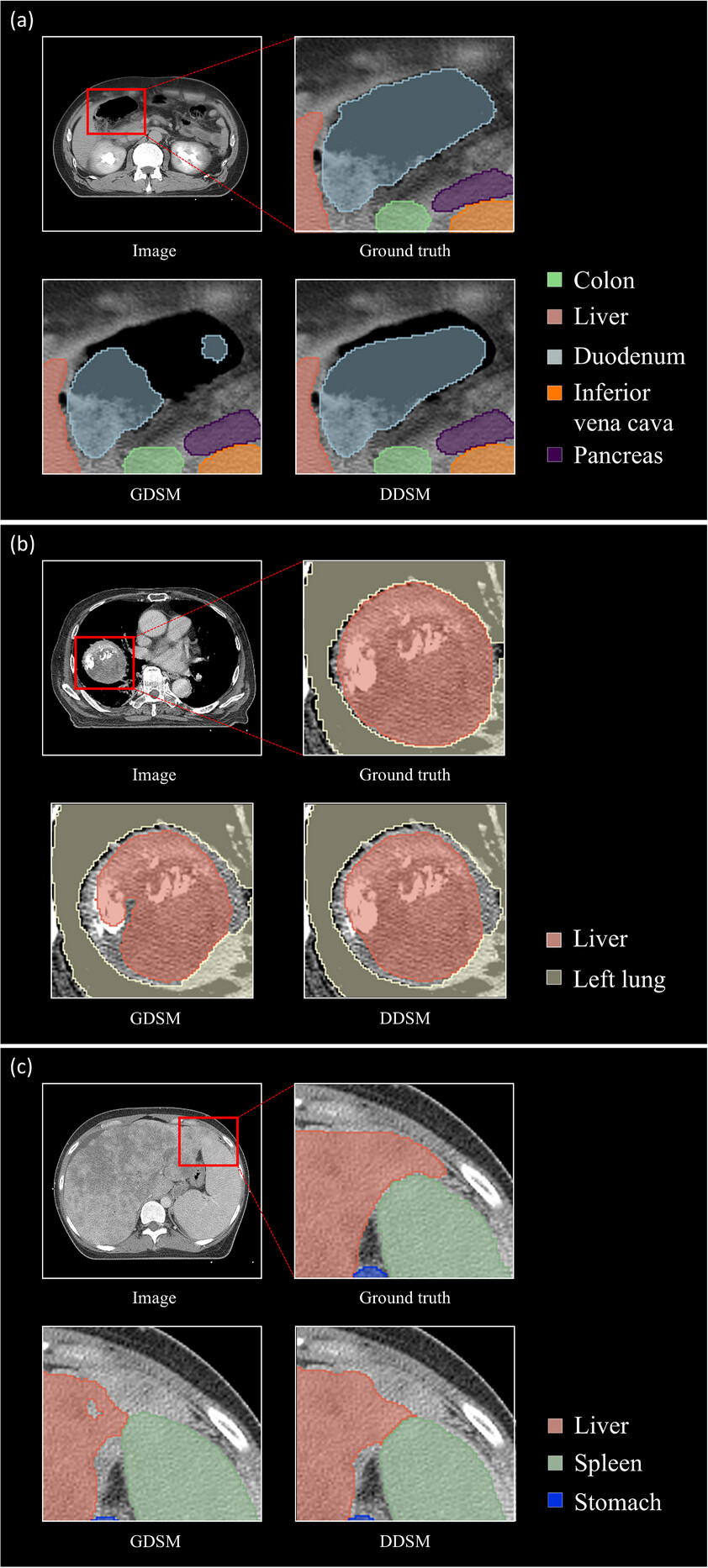
Background Although generalized-dataset-based auto-segmentation models that consider various computed tomography (CT) scanners have shown great clinical potential, their applica…
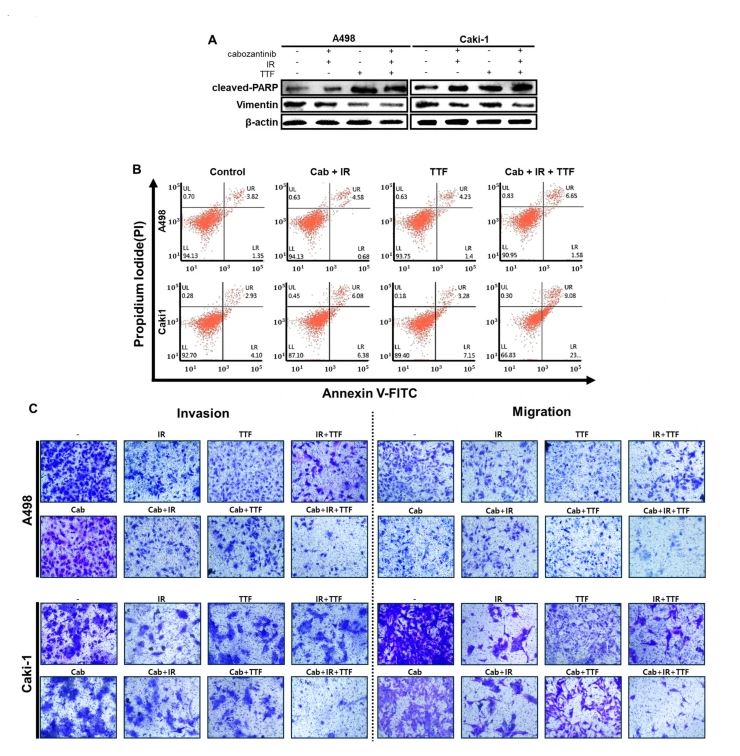
Purpose This study aimed to evaluate the therapeutic potential of combining cabozantinib, electric fields (EFs; also called Tumor Treating Fields [TTFields]), and radiation in t…
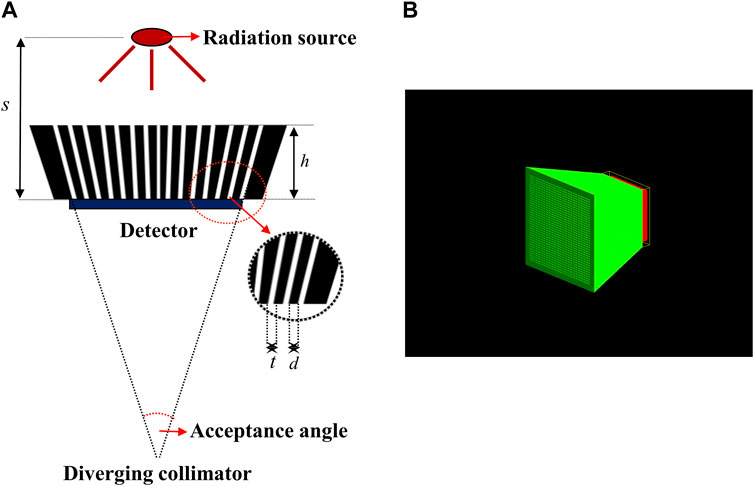
Introduction: The aim of this study was to demonstrate the potential of an in vivo four-dimensional (4D) tracking system to accurately localize the radiation source, Iridium-1…