Home/Research
Research
연구실이 발표한 연구 성과를 모았습니다.
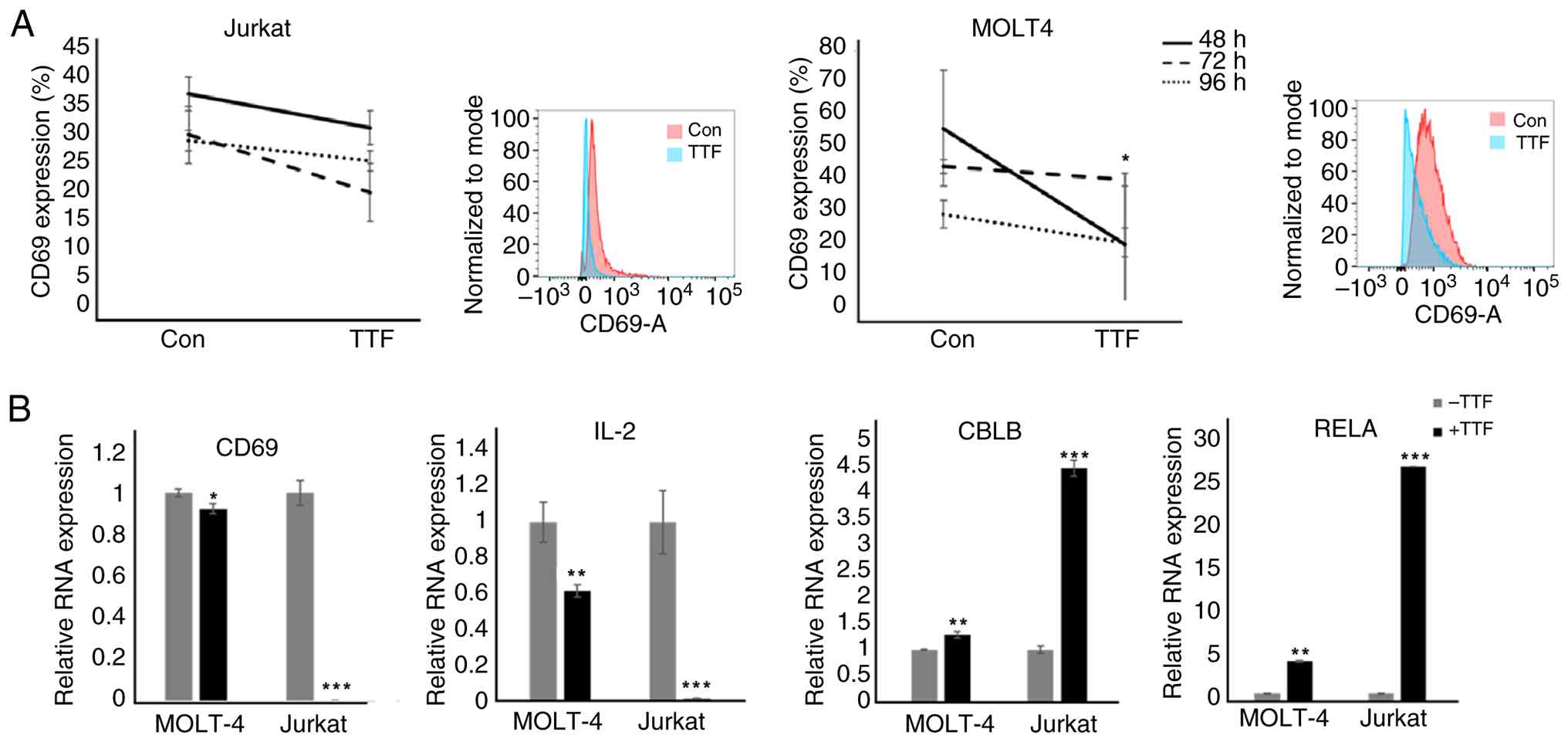 Tumor Treating Fields modulate apoptotic and immune programs in T‑cell acute lymphoblastic leukemia cell lines
Background T-cell acute lymphoblastic leukemia (T-ALL) is an aggressive hematologic malignancy with limited treatment options for relapsed o…
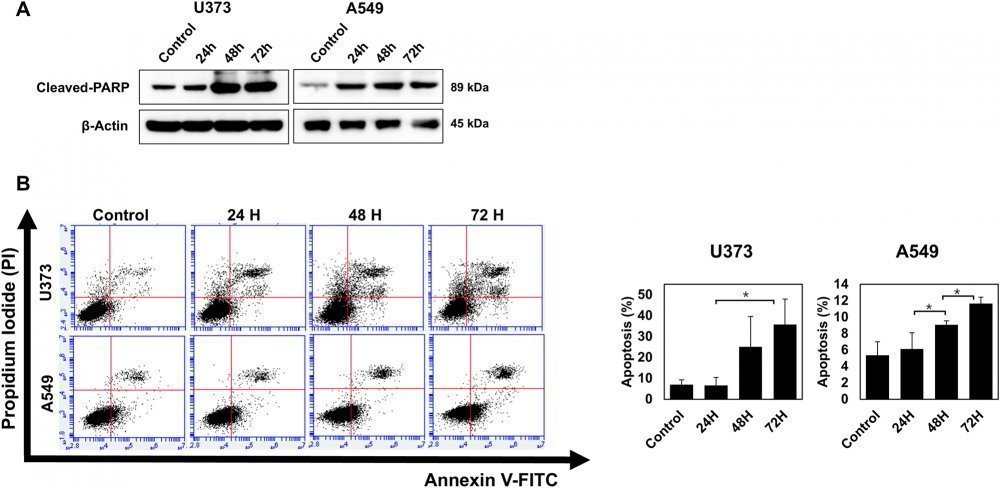
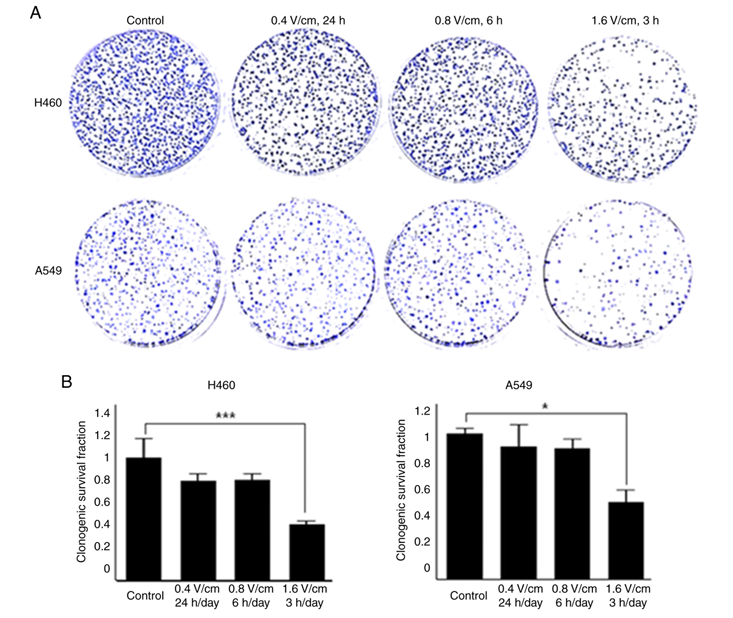 Intensity‑ and time‑dependent anticancer effects of alternating electric fields in non‑small cell lung cancer cell lines
Background Non-small cell lung cancer (NSCLC) accounts for the majority of lung cancer cases, with a significant proportion of patients pres…
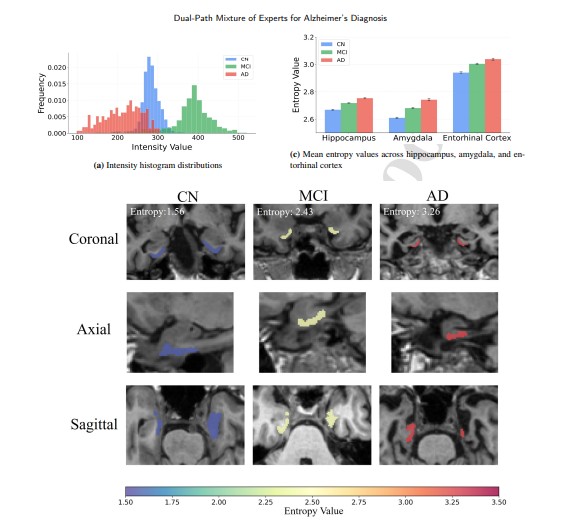 Dual-path mixture of experts for Alzheimer’s diagnosis using volume and entropy MRI features
Background Alzheimer’s disease (AD) is a progressive neurodegenerative disorder marked by brain atrophy, observable via MRI. Volumetric meas…
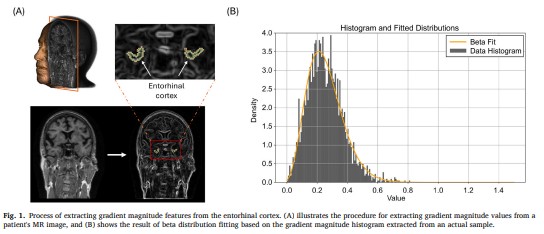 Gradient magnitude-based texture feature of the entorhinal cortex as a biomarker for Alzheimer’s disease
Abstract Volumetric analysis of brain structures is widely used to detect pathological changes in Alzheimer’s disease (AD), but it has limit…
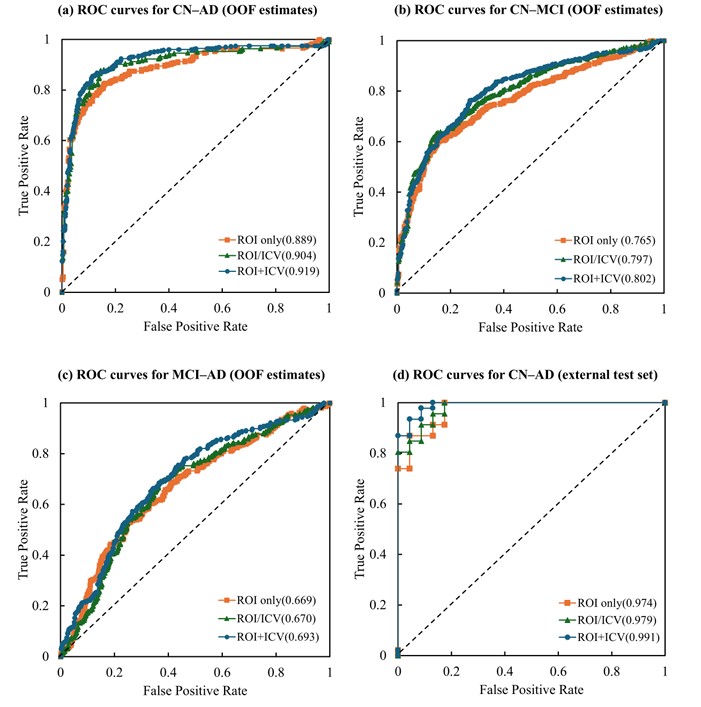 Inclusion of intracranial volume as a covariate feature improves MRI-based Alzheimer’s disease classification
Objective Structural MRI-based regional volumes are widely used for Alzheimer’s disease (AD) classification, but inter individual variabilit…
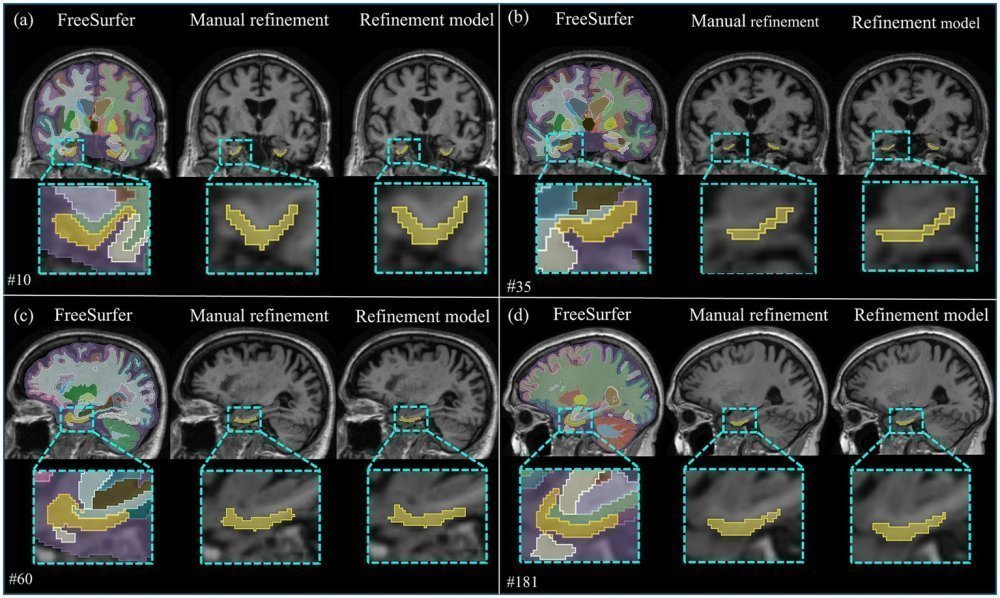 Anatomically refined entorhinal cortex segmentation improves MRI-based early diagnosis of Alzheimer’s disease
Introduction: The entorhinal cortex (EC) is one of the earliest cortical regions affected in Alzheimer’s disease (AD) and serves as a key ta…
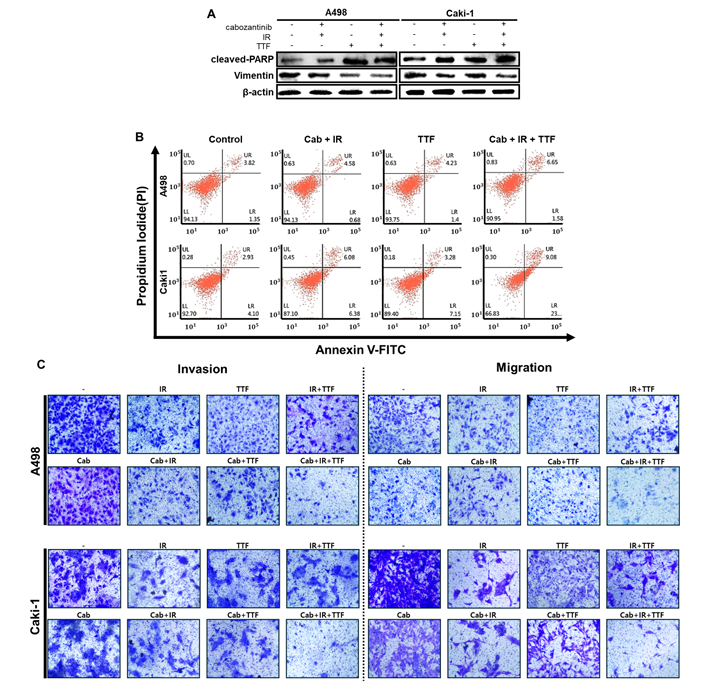 Enhanced anti-tumor effects of combined electric fields, cabozantinib, and radiation therapy in metastatic renal cell carcinoma
Purpose This study aimed to evaluate the therapeutic potential of combining cabozantinib, electric fields (EFs; also called Tumor Treating F…
 Efficacy of mild hyperthermia in cancer therapy: balancing temperature and duration
Objectives Hyperthermia enhances tumor sensitivity to treatments like radiotherapy and chemotherapy, but high temperatures (42–45 °C) can da…
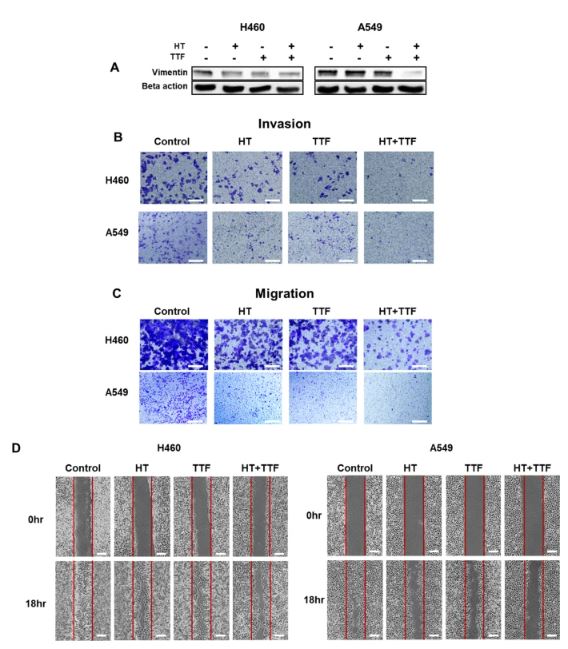 Synergistic effects of combined hyperthermia and electric fields treatment in non-small cell lung-cancer (NSCLC) cell lines
Purpose Lung cancer remains a leading cause of cancer-related mortality, with non-small cell lung cancer (NSCLC) being particularly challeng…
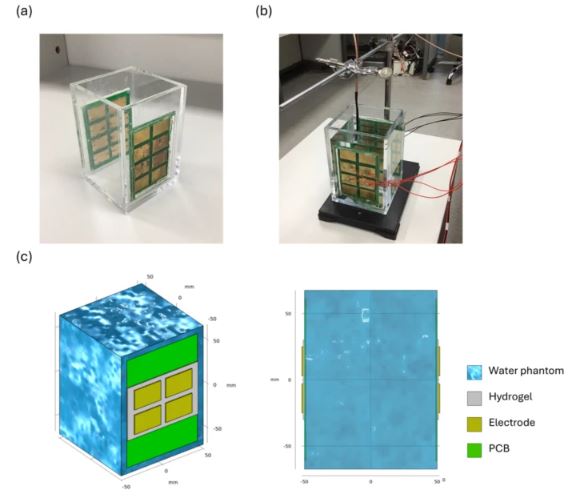 Feasibility of 3D quality assurance system with electrode array for electric fields therapy
In this study, we investigated the feasibility of a three-dimensional quality assurance system for Tumor-Treating Fields (TTFields) therapy …
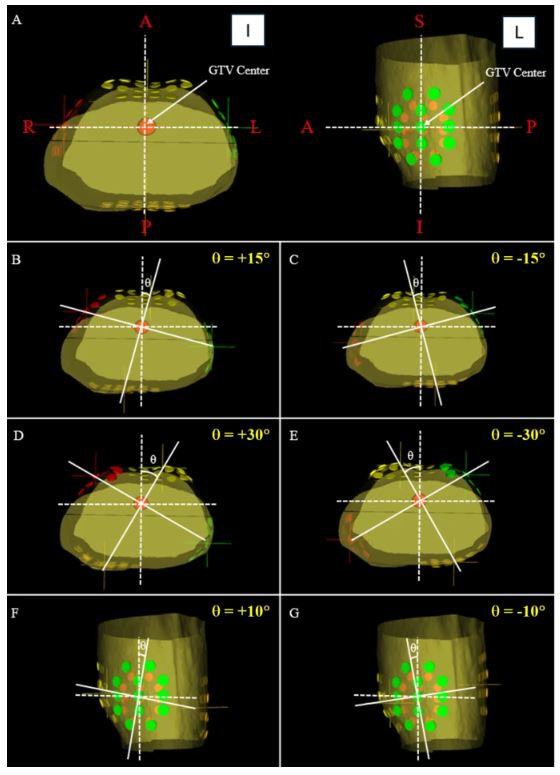 Optimization of electrode position in electric field treatment for pancreatic cancer
Background In electric field-based cancer treatment, the intensity of the electric field applied to the tumor depends on the position of the…
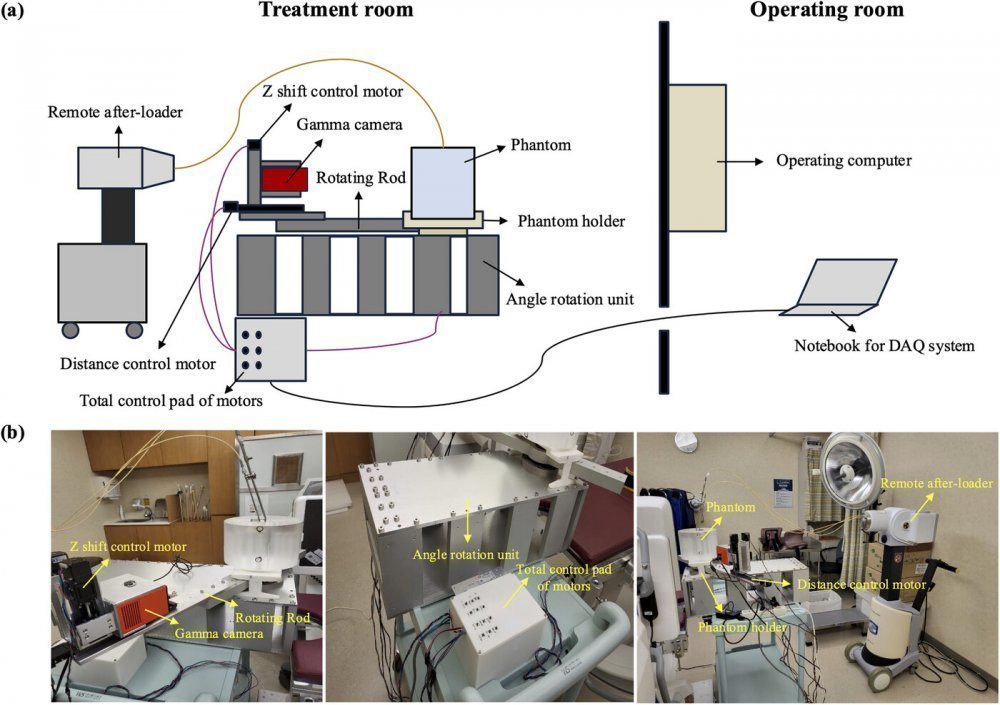 Feasibility study of patient-specific four-dimensional in vivo tracking system for high-dose-rate brachytherapy: Experimental evaluation
Background High-dose-rate (HDR) brachytherapy using Iridium-192 as a radiation source is widely employed in cancer treatment to deliver conc…
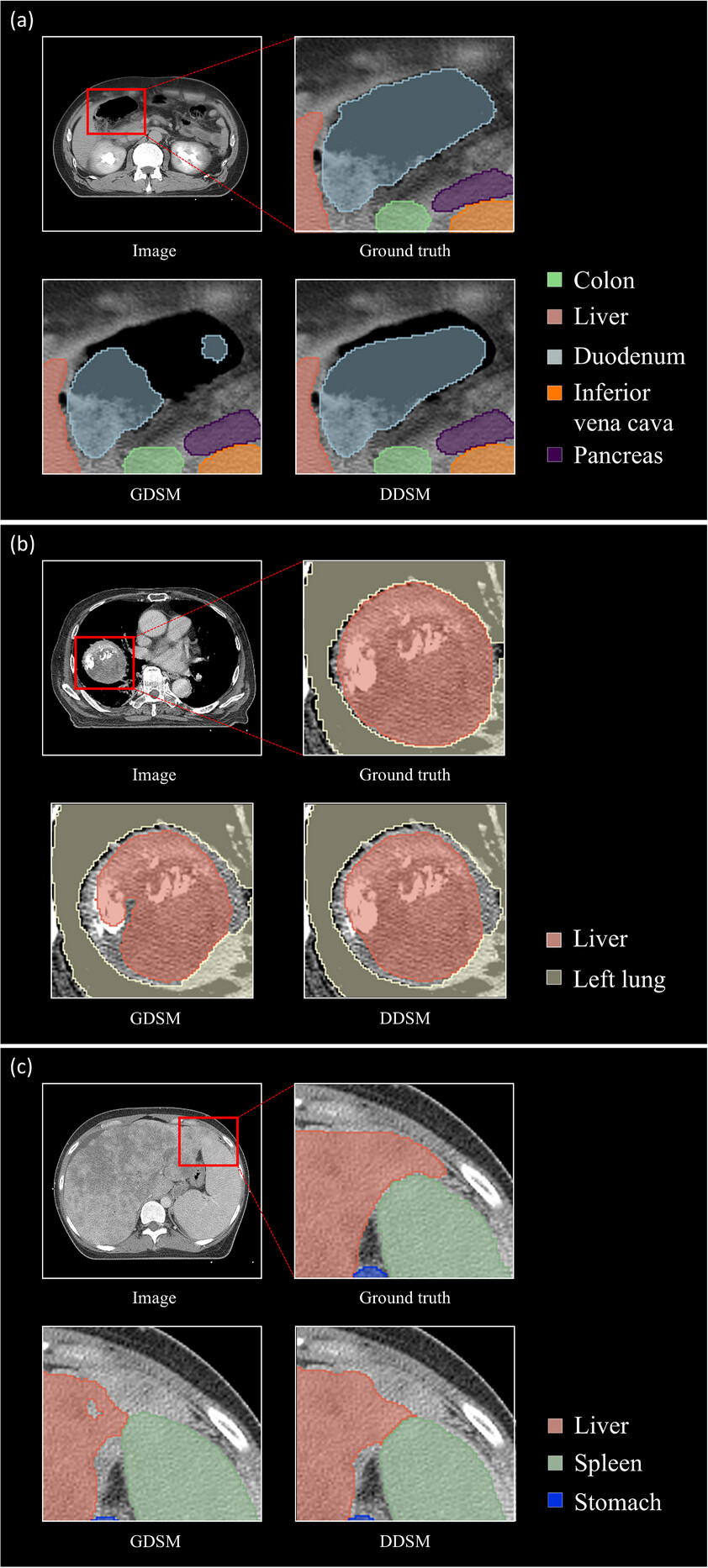 A device-dependent auto-segmentation method based on combined generalized and single-device datasets
Background Although generalized-dataset-based auto-segmentation models that consider various computed tomography (CT) scanners have shown gr…
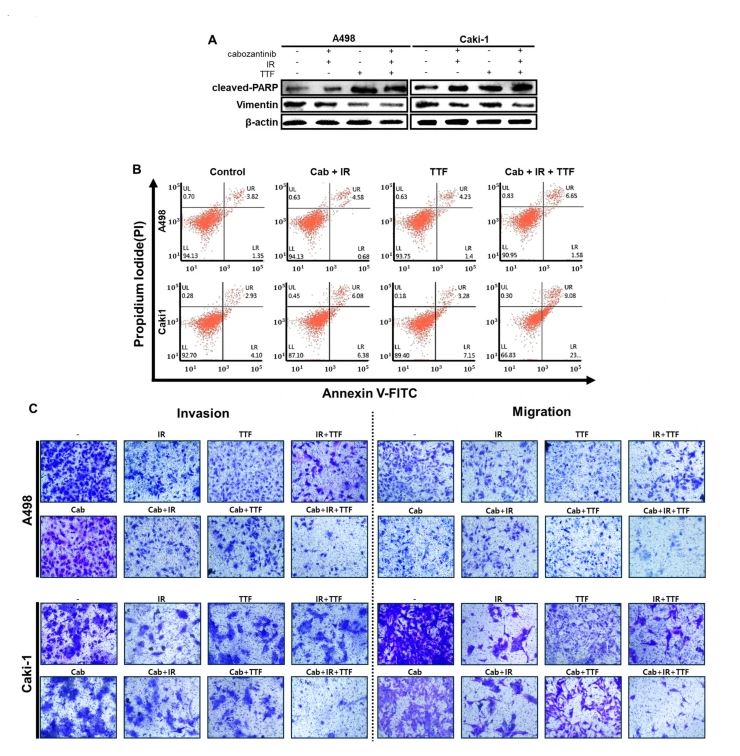 Enhanced anti-tumor effects of combined electric fields, cabozantinib, and radiation therapy in metastatic renal cell carcinoma
Purpose This study aimed to evaluate the therapeutic potential of combining cabozantinib, electric fields (EFs; also called Tumor Treating F…
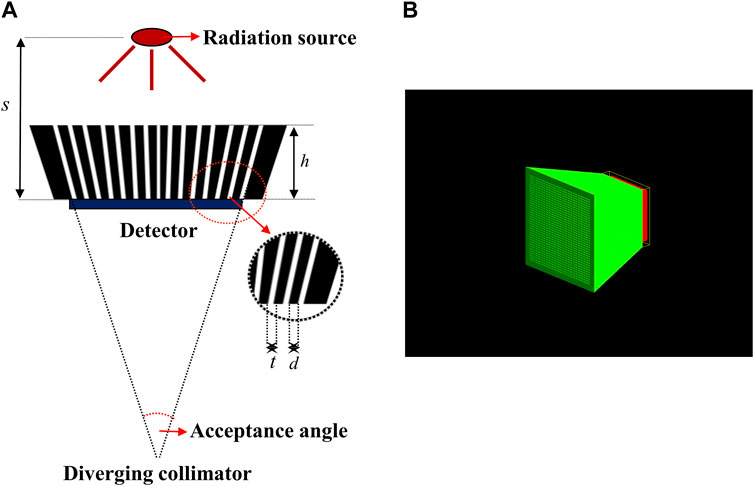 Monte Carlo simulation study of an in vivo four-dimensional tracking system with a diverging collimator for monitoring radiation source (Ir-192) location during brachytherapy: proof of concept and feasibility
Introduction: The aim of this study was to demonstrate the potential of an in vivo four-dimensional (4D) tracking system to accurately local…